
Construction Certifications for Beginners: What You Need to Get Hired
Hesper Du · Jun 12, 2026
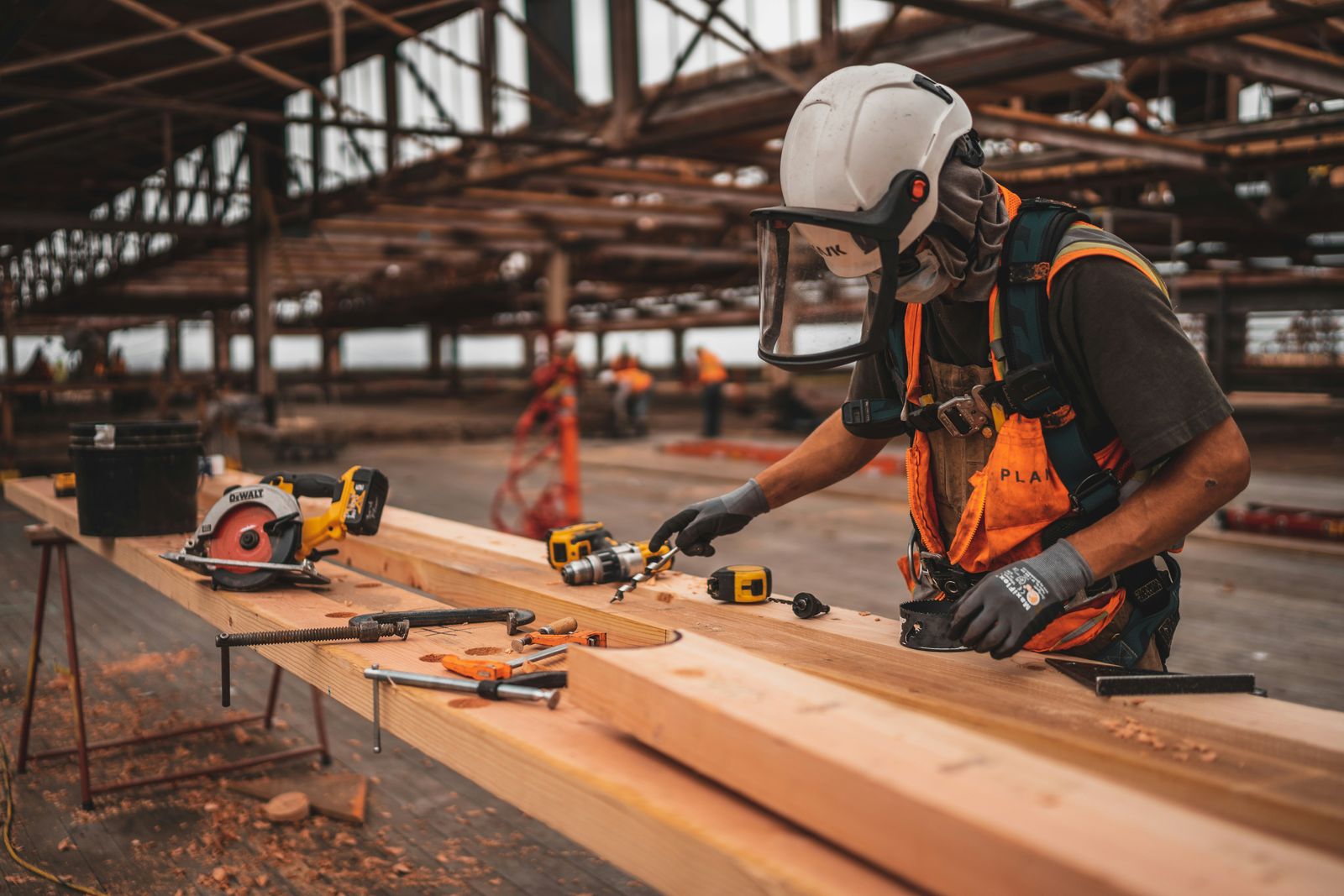
For most entry-level construction workers, OSHA-10 is the most commonly required credential, with CPR certification close behind. If your work involves driving heavy vehicles, you'll also need a CDL. If you're looking to enter the electrical trade, the IBEW apprenticeship is the most structured path in. Not every certification applies to every role, though — here's what each one actually covers and who needs it.
OSHA-10 and OSHA-30: What's the Difference, and Which One Do You Need?
OSHA-30 is the 30-hour version, designed for workers with supervisory or safety responsibilities. If you're just starting out as a field worker rather than a foreman or site supervisor, OSHA-10 is typically sufficient.
CPR Certification: Who Issues It, Where to Get It, and When It Expires
CPR certification is the second most commonly required credential in construction, after OSHA-10. Most contractors list it as a pre-hire requirement, and certain roles involving work at height or in confined spaces may have additional regulatory obligations tied to it.
Courses typically run four to eight hours and are available through AHA-authorized training centers, with blended online-plus-hands-on options as well. Since renewal is required every two years, it's worth aligning your renewal date with your employment cycle so it doesn't lapse mid-project.
CDL: Which Jobs Require It and What's the Difference Between Class A, B, and C?
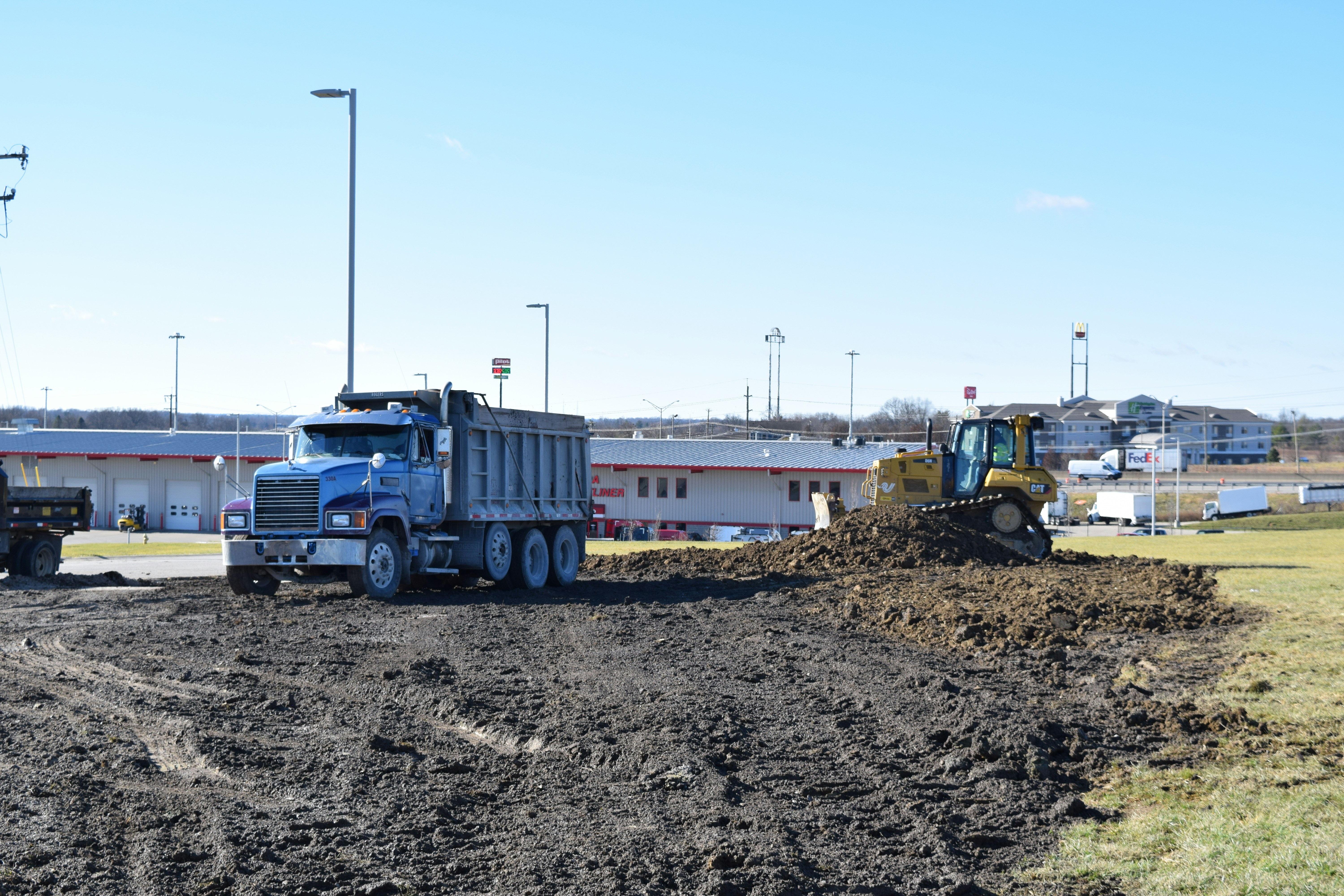
In construction, Class A is the most common requirement. Linemen typically operate bucket trucks and equipment-hauling trailers, making Class A standard for that role. Whether a specific position requires a CDL is usually stated clearly in the job listing.
IBEW Apprenticeship: What It Is, How to Apply, and Why It's Worth Considering
It's a five-year earn-while-you-learn program. Apprentices work alongside licensed journeymen on real job sites, completing approximately 8,000 hours of on-the-job training alongside required classroom instruction. The program is fully funded by the IBEW and NECA — there are no tuition costs and no student debt. Upon completion, apprentices receive a nationally recognized Journeyman card.
Applications are submitted through your local Joint Apprenticeship Training Committee (JATC), which you can find through the Electrical Training Alliance website. The process typically includes submitting an application, taking the IBEW aptitude test (algebra and reading comprehension, with a passing score of 4 out of 9), and completing an oral interview. Application windows and available slots vary by local chapter, so it's worth checking your local JATC's schedule in advance.
Do You Need All of These? A Quick Guide by Trade
These four credentials don't all apply to every worker. General laborers typically need OSHA-10 and CPR as a baseline, with additional requirements depending on the project. Linemen and telecom construction workers need both of those plus a Class A CDL as standard, and the IBEW apprenticeship is the recommended entry path for anyone looking to build a long-term career in the electrical trade. Heavy equipment operators should expect CDL (usually Class A or B) to be the core requirement, with OSHA-10 also expected. Anyone entering the electrical trade should look at the IBEW program first — OSHA-10 and CPR training are typically covered as part of the apprenticeship itself.
If you're just getting started, OSHA-10 is the highest-return first step. It takes about two days and costs under $100, and it's the fastest way to show a contractor you're ready to work.
FAQ
The course is 10 hours in total, typically split across two days. Online courses can be completed in segments at your own pace, as long as you finish within 180 days of the course start date.
Yes, but having certifications makes a meaningful difference in both hiring and pay. Many smaller contractors will hire without them and require you to complete OSHA-10 within a set period after starting. If you're looking for your first job, OSHA-10 is the quickest way to demonstrate you're ready for the jobsite.
How Timemark Fits Into the Workflow
About Timemark
Timemark is a jobsite photo documentation app with timestamp, GPS geotag, and on-site notes. With Teamspace, field teams can automatically collect, organize, search, and export job photos across projects.
Timemark empowers construction, field service, telecom, and transportation teams to capture verifiable job photos to prevent disputes, support claims, and ensure project transparency. Timemark makes job photos trusted, organized, report-ready, and searchable. For setup instructions and product guidance, visit the Timemark Help Center.